
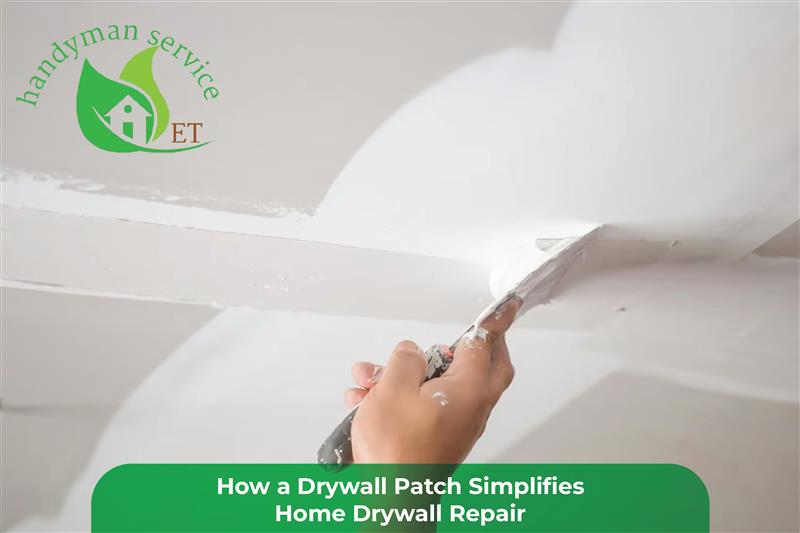
Life happens, kids play ball inside, furniture scrapes a little too hard, or maybe an accidental bump leaves a dent in the wall. Before you know it, you’re staring at an ugly hole or crack in your drywall. The good news? Fixing it doesn’t have to be stressful or expensive. With a simple drywall patch, you can restore your wall’s smooth finish without the hassle of replacing entire panels.
Drywall repair used to feel intimidating for many homeowners, but modern solutions like drywall patches, sheetrock patches, and drywall repair kits make the process easier than ever. Whether you’re fixing drywall holes in your living room, repairing a ceiling crack, or dealing with a small dent from moving furniture, the right patch can help you achieve professional-looking results at home.
This guide walks you through how a drywall patch simplifies wall repair, why it’s the go-to solution for DIYers and professionals alike, and how you can ensure your walls look flawless once again.
Why Drywall Damage Happens More Often Than You Think
Walls are some of the most used (and abused) parts of any home. Between everyday living, pets, kids, and the occasional mishap, drywall takes a beating. Small holes from nails, larger holes from doorknobs, or even cracks from settling foundations are all common issues.
Instead of stressing about the damage, think of it as a natural part of homeownership. The key is knowing how to handle it. A drywall crack patch or a drywall hole patch isn’t just about covering up damage; it’s about restoring the strength and beauty of your wall. That’s why having the right tools and knowledge can save you both time and money.
The Beauty of a Drywall Patch
Here’s where a drywall patch becomes your best friend. Unlike full-panel replacements, a drywall patch targets only the damaged area, making repairs quick and cost-effective.
These patches come in several forms, such as:
- Mesh patches – Great for small to medium holes, easy to apply with joint compound.
- Aluminum-backed patches – Offer extra strength, perfect for larger holes or areas that need reinforcement.
Drywall patch kits – Ideal for beginners. These come with everything you need, from the patch itself to joint compound and instructions. - Ceiling drywall patches – Designed for overhead repairs, preventing sagging and ensuring durability.
The beauty of using a drywall patch lies in its simplicity. Even if you’ve never repaired a wall before, a DIY drywall patch makes the process approachable. With a bit of joint compound, some sanding, and a coat of paint, you’ll hardly remember where the damage was.
Step-by-Step Guide to Repairing Drywall Holes
Fixing a hole in drywall doesn’t require professional training — just patience and the right tools. Here’s a simple approach:
- Clean the Area – Remove loose debris and dust around the hole.
- Apply the Patch – Place your chosen drywall patch over the damaged area.
- Spread Joint Compound – Smooth it evenly across the patch, feathering the edges.
- Let It Dry – Allow enough time for the compound to harden completely.
- Sand Smooth – Gently sand the area for a flawless finish.
- Prime and Paint – Apply primer and paint so your wall looks good as new.
This straightforward process makes repairing drywall holes something almost anyone can tackle in an afternoon.
Common Mistakes to Avoid with Drywall Patches
Even though drywall patches are simple, a few mistakes can lead to poor results. Some common errors include:
- Applying too much joint compound creates visible lumps.
- Skipping sanding, leaving uneven surfaces.
- Forgetting to prime before painting causes a color mismatch.
- Choosing the wrong size patch can lead to weak repairs.
By avoiding these mistakes, your drywall hole repair will blend seamlessly with the rest of the wall.
When to Call in the Pros
While a DIY drywall patch works great for small to medium issues, some situations may require professional help. Large holes, recurring cracks, or damage caused by water leaks might need expert evaluation.
If you’re remodeling or need extensive carpentry work along with drywall repairs, hiring a professional can save time and ensure lasting results. Services like carpenters in Leander or Remodeling experts can provide reliable solutions when the repair goes beyond simple patches.
The Cost-Effective Advantage of Using Drywall Patches
One of the biggest reasons homeowners choose drywall patches is cost. Instead of replacing entire sheetrock panels, you’re repairing only what’s necessary. A drywall patch kit costs just a fraction of professional repair fees yet still delivers long-lasting results.
Not only do you save money upfront, but you also extend the life of your walls by addressing issues early. It’s a win-win: affordable and effective.
Final Thoughts
A drywall patch is one of the simplest yet most effective tools for home drywall repair. From covering small dents to tackling medium-sized holes, it gives homeowners a reliable, cost-friendly, and easy solution. With a little effort, you can restore your walls without stress, and if the job seems too big, professional services are always ready to help.
Whether you’re a hands-on DIYer or prefer to let the experts step in, knowing how a drywall patch works ensures your walls stay in top condition for years to come.
FAQs
Q1. What size hole can a drywall patch fix?
Most drywall patches handle holes up to 6 inches. For larger damage, an aluminum-backed patch or professional service may be better.
Q2. Can I use a drywall patch on a ceiling?
Yes! Ceiling drywall patches are specifically designed for overhead repairs, preventing sagging or cracking.
Q3. Do I need to paint after repairing?
Absolutely. To achieve a flawless look, primer and paint are essential after patching drywall holes are patched.
Q4. Are drywall patch kits worth it?
Definitely. A drywall patch kit is beginner-friendly and includes all the essentials, saving you multiple trips to the store.
Q5. When should I skip DIY and call a pro?
If the damage involves water leaks, mold, or large structural cracks, it’s best to call a professional.





Recent Comments