
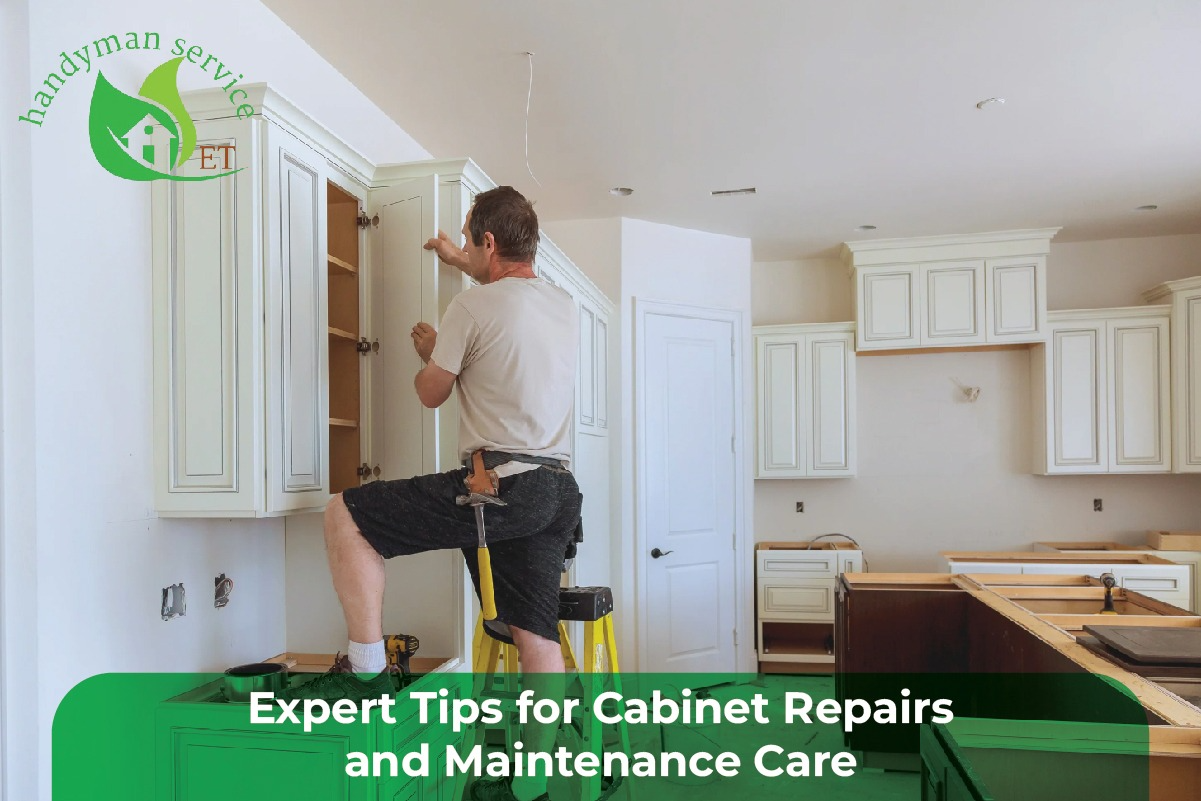
Your cabinets do more than store dishes, tools, and everyday essentials; they define the look, feel, and functionality of your space. Whether in the kitchen, bathroom, or laundry room, well-maintained cabinets improve organization and enhance property value. However, over time, wear and tear can affect their appearance and performance. That’s why understanding proper cabinet care is essential.
In this guide, you’ll discover practical, easy-to-follow strategies for cabinet repair, long-term maintenance, and professional solutions. From minor fixes to full cabinet restoration, we’ll cover everything you need to keep your cabinets looking and working like new. Let’s dive in and protect your investment the smart way.
Why Cabinet Maintenance Matters More Than You Think
Cabinets experience daily use, which means hinges loosen, drawers stick, and finishes fade. Without regular attention, small issues can quickly turn into expensive repairs. By staying proactive, you extend the life of your cabinetry and avoid unnecessary replacements.
Moreover, proper maintenance enhances your home’s appearance. Clean, smooth-operating cabinets instantly elevate the entire room. Whether you choose DIY care or a professional cabinet fixing service, consistency is the key to long-term durability.
Common Cabinet Problems and How to Spot Them Early
Early detection saves money. One of the most common issues is misaligned doors, which often require door hinge repair. If doors don’t close properly or hang unevenly, hinges may be loose or damaged.
Another frequent concern is damaged drawers. When drawers stick, wobble, or fall off track, it’s usually time for drawer slide repair. Additionally, broken handles or knobs may require cabinet hardware repair, which is often a quick but impactful fix.
Regularly inspecting your cabinets helps you identify these issues before they worsen. A small adjustment today can prevent major structural problems tomorrow.
Essential Cleaning and Care Techniques for Long-Term Protection
Properly cleaning cabinets is one of the easiest ways to extend their lifespan. Use a soft cloth and mild soap solution to remove dust, grease, and spills. Avoid harsh chemicals, as they can damage the finish and weaken the surface.
In addition, always dry cabinets immediately after cleaning. Moisture can cause warping, especially in wooden units. By combining gentle cleaning with consistent care, you reduce the need for frequent cabinet repair services.
For deeper care, consider periodic polishing or professional-recommended protective treatments. This simple habit keeps surfaces looking fresh and polished.
When to Choose Cabinet Repair Instead of Replacement
Many homeowners assume that damaged cabinets must be replaced. However, in most cases, professional kitchen cabinet repair offers a cost-effective alternative. Repairing hinges, slides, and surfaces often restores full functionality without the expense of new installations.
If the structure is solid, repairs are usually the best choice. Even damaged finishes can be improved through cabinet refinishing or cabinet resurfacing, which transforms the appearance without rebuilding the entire system.
By choosing repair over replacement, you save money while maintaining the integrity of your existing layout.
Cabinet Restoration: Bringing Old Cabinets Back to Life
When cabinets look outdated but remain structurally sound, cabinet restoration is a smart solution. This process may include sanding, repainting, replacing hardware, or upgrading surfaces.
Restoration is especially valuable for homeowners who want a fresh style without major renovations. It allows you to modernize your kitchen while preserving quality craftsmanship. For professional support, you can explore services.
Additionally, if you’re considering upgrades or custom improvements, check out.
Restoration not only improves aesthetics but also strengthens durability.
Understanding Cabinet Hardware and Structural Repairs
Hardware plays a critical role in cabinet performance. Loose screws, damaged handles, and worn-out hinges are common problems that require timely attention. Addressing these issues quickly prevents strain on cabinet doors and frames.
For example, door hinge repair ensures smooth opening and closing, while proper alignment prevents long-term structural damage. Similarly, drawer slide repair improves stability and ease of use.
If you prefer professional assistance, a reliable cabinet fixing service can handle detailed repairs efficiently and safely.
Cabinet Resurfacing and Refinishing for a Fresh Look
If your cabinets look worn but function well, consider resurfacing or refinishing them. These techniques refresh surfaces, update colors, and enhance durability without full replacement.
Resurfacing involves replacing doors and drawer fronts while keeping the original structure. Refinishing focuses on sanding and applying new paint or stain. Both options significantly improve visual appeal.
For homeowners exploring quality upgrades, this resource may help.
These improvements increase home value and create a modern appearance at a lower cost.
DIY vs. Professional Cabinet Repair: Making the Right Choice
Some minor repairs, like tightening screws or cleaning hinges, can be handled as DIY projects. However, complex structural issues often require professional expertise.
Hiring experts ensures accurate alignment, high-quality materials, and long-lasting results. Professionals understand how to balance aesthetics with durability, especially during full cabinet restoration or resurfacing projects.
If you want dependable service and expert craftsmanship, working with experienced professionals can save time and prevent mistakes.
Preventative Maintenance Tips for Everyday Use
Prevention is always better than repair. Avoid slamming cabinet doors, as this damages hinges over time. Use soft-close hardware, if possible, to reduce stress on the frames.
Additionally, keep cabinets dry and well-ventilated. Excess humidity can lead to swelling, especially in wooden units. Regular inspections and minor adjustments can dramatically reduce the need for future cabinet repair.
By developing simple maintenance habits, you protect your investment and keep it functioning for years.
Final Thoughts
Cabinets are a long-term investment in your home’s comfort and style. With consistent care, timely repairs, and professional support when needed, you can significantly extend their lifespan.
Whether you require kitchen cabinet repair, cabinet hardware repair, or full cabinet resurfacing, taking action early prevents costly replacements. Stay proactive, clean regularly, and don’t hesitate to consult professionals for complex projects.
Remember, well-maintained cabinets don’t just look better, they perform better and add lasting value to your home.
FAQs
1. How often should I inspect my cabinets?
It’s best to inspect your cabinets every 3–6 months. Look for loose hinges, damaged slides, or surface wear to address issues early.
2. What is the difference between cabinet refinishing and resurfacing?
Cabinet refinishing involves sanding and repainting or staining existing surfaces. Cabinet resurfacing replaces doors and drawer fronts while keeping the cabinet structure intact.
3. When should I consider professional cabinet repair?
If you notice structural damage, repeated hardware issues, or alignment problems, a professional cabinet fixing service is recommended.
4. Can I repair cabinet hinges myself?
Yes, minor door hinge repair can often be done with basic tools. However, complex alignment issues may require expert help.
5. Is cabinet restoration worth the investment?
Absolutely. Cabinet restoration improves appearance, enhances durability, and increases home value at a lower cost than replacement.


Recent Comments